
Structure Protection Units
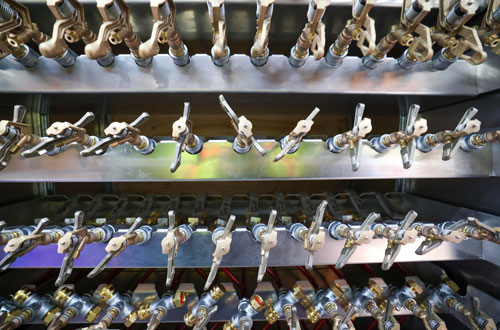
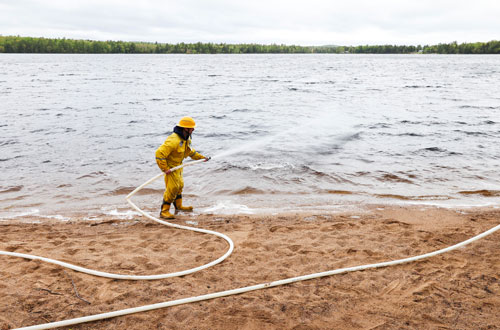
Structure Protection Units (SPUs) are specialized trailers equipped with sprinklers, pumps, hoses and other tools that are designed to create a protective moisture barrier around buildings threatened by wildfire. It increases a structure’s chance of surviving a wildfire by applying water and reducing ember ignition.
They are mobile and can be transferred from location to location; an asset that can serve the entire province.
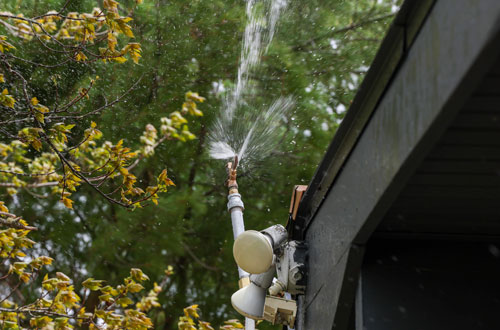
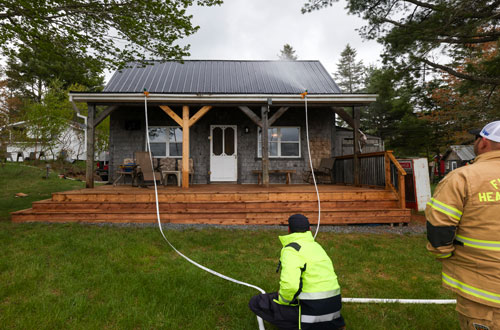
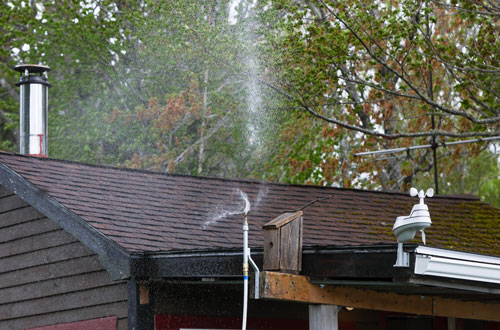
SPUs use hundreds of sprinklers to spray water into the air around homes and infrastructure. Keeping buildings damp is essential to protecting them from flames and embers.
The province has six SPU trailers strategically placed across Nova Scotia. Each unit is equipped to help protect 30 to 40 structures from wildfires, giving the provincial fleet the capacity to protect up to 240 structures. Combined with additional SPUs owned and operated by volunteer fire departments, these units give an added layer of protection for communities across Nova Scotia.
When SPUs are used
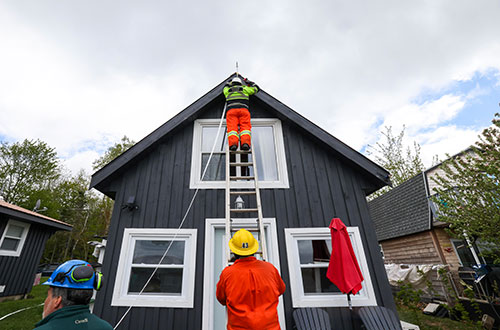
When a wildfire threatens a community, structure protection crews will assess homes, buildings and infrastructure to determine where SPUs can be used most effectively.
They are looking for things like:
- combustible items near buildings, like propane tanks, firewood and other fuel sources. When possible, these items are moved farther away to reduce the risk of them catching fire and spreading to the building
- access to water sources that can be used to support firefighting efforts
- the topography (or slope) of the land and vegetation growth around the property
- enough space between buildings and nearby trees, shrubs and other flammable materials. This helps sprinklers work more effectively
- windows, vents and other openings around the building that can be closed or sealed to help keep out embers and water while sprinklers are in use
How SPUs work
SPUs can be used to either wet down structures directly or to create a protective “water wall”, essentially fencing in parts of a community when flames are burning high into the sky.
The sprinklers are typically installed above roof level, to keep roofs, siding and eaves wet. Often, it’s not the flames themselves that threaten homes and structures, it’s the embers that get into the tight spaces (like eaves) and smolders until it catches fire.
Portable water tanks and pumps supply water to the sprinklers. Depending on their size, the tanks can hold up to 2,500 gallons of water and act as a lake to draw water from.
SPUs and structure protection crews saved 85 homes during the Long Lake wildfires in 2025.
SPUs are an important tool, but they are not the right solution for every wildfire. On fast-moving or high-intensity fires, conditions may not allow enough time for deployment, setup or safe operations. In some situations, firefighters and public safety may require a different tactical approach.
Structure protection crews
Structure protection crews are specially trained to respond during wildfires that threaten communities. This training includes equipment management, FireSmart principles and wildfire response tactics. Nova Scotia has trained 60 structure protection crew members who are available during wildfire season.
SPUs are designed to support and enhance existing firefighting operations. They work alongside municipal fire services, wildfire agencies and emergency management partners.
Protecting your home
While Structure Protection Units are an important wildfire response tool, they cannot guarantee that a structure will be saved.
One of the biggest factors in whether an SPU can be used is time. Setting up the equipment takes time and fast-moving wildfire conditions may not allow crews to set up SPUs safely or effectively.
Wildfire behaviour, weather, access, water supply, vegetation and structure condition can all influence whether a building can be protected safely and effectively.
The best way to protect your property is to prepare before wildfire season and follow FireSmart practices.
FireSmart actions make your home harder to ignite and easier for firefighters to protect. Make sure to:
- clean gutters and roofs regularly
- remove leaves and debris from decks and balconies
- keep grass and weeds under 10 cm
- store firewood and lumber 10 to 30 metres from structures
- move propane tanks 10 to 30 metres away from structures
- keep combustible vegetation at least 10 metres away from propane tanks
- trim tree branches to maintain a 2-metre clearance from the ground
- apply these standards to sheds and other outbuildings
A FireSmart property requires less equipment and resources to protect during a wildfire. For more information, visit the FireSmart Canada website.
Download the NS Alert app to get up-to-date information during an emergency. It is available on iOS and Android.
Urban fires and vehicle fires
Urban and vehicle fires present different hazards than wildfires and require specialized firefighting equipment and training. Structure protection crews and wildland firefighters are specifically trained and equipped to respond to wildfires involving burning trees, vegetation and brush. Municipal firefighters are trained to respond to urban and vehicle fires.