For additional information relating to this article, please contact:
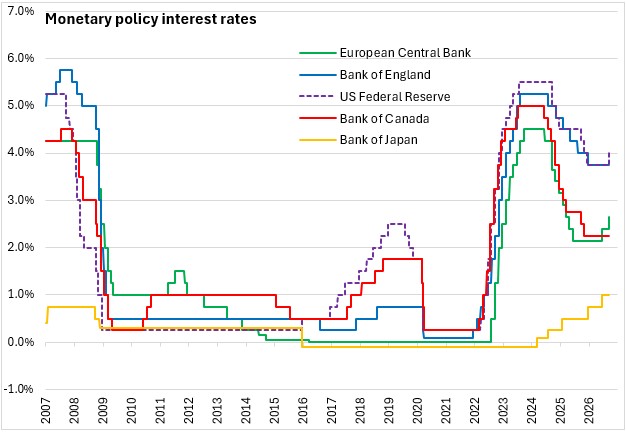
September 18, 2026BANK OF JAPAN MONETARY POLICY The Policy Board of the Bank of Japan raised its uncollateralized overnight call rate target from around 1.0% to 1.25%, citing progress toward achieving its 2% inflation target and continued accommodative financial conditions. The new policy rate will take effect on September 24, 2026.
Japan’s economy has continued to recover moderately, although some weakness remains due to the conflict in the Middle East. Higher crude oil prices have weighed on economic activity and household purchasing power, but government support measures, accommodative financial conditions, and strong global AI-related demand continue to support growth. Private consumption remains resilient amid improving employment and income conditions, while exports and industrial production have begun to increase. The Bank expects the economy to continue growing moderately, despite temporary headwinds from higher energy prices.
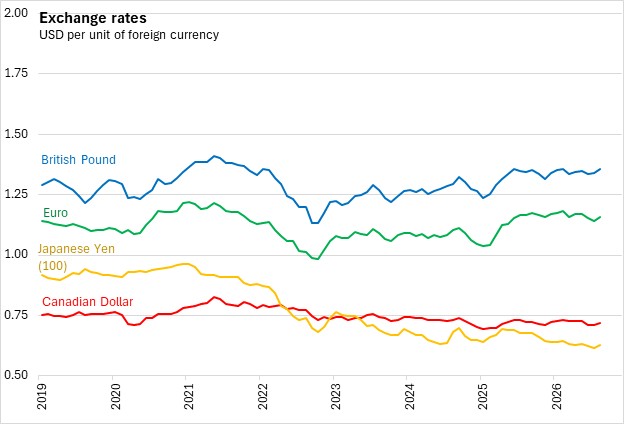
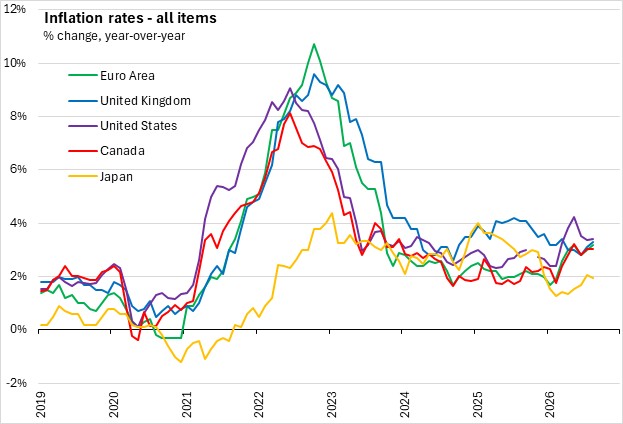
Inflationary pressures have strengthened since the July meeting. Consumer price inflation (excluding fresh food) has been rising and is currently in the 1.5% to 2.0% range, despite government measures to reduce household energy costs. Higher crude oil prices, yen depreciation, strong AI-related demand, and continued pass-through of wage increases to prices have contributed to inflation. Medium- to long-term inflation expectations continue to rise, and underlying inflation is approaching the Bank’s 2% price stability target. Inflation is expected to move clearly above 2% in the second half of fiscal 2026 before easing back toward 2% as the effects of higher oil prices diminish.
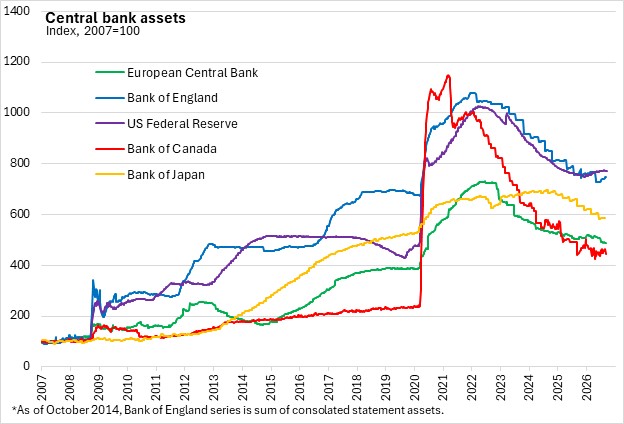
The Bank of Japan stated that it will continue to raise the policy interest rate and adjust the degree of monetary accommodation as warranted by developments in economic activity, inflation, and financial conditions. Policymakers emphasized the need to monitor the effects of the Middle East conflict, global AI-related demand, exchange rate movements, and the risk that inflation could exceed the 2% target. The Bank will continue to conduct monetary policy with the objective of achieving price stability sustainably and stably at 2%.
The Bank will release its next Summary of Opinions on October 1, 2026.
Source: Bank of Japan, Change in the Guideline for Money Market Operations